The empty leg is part of the price
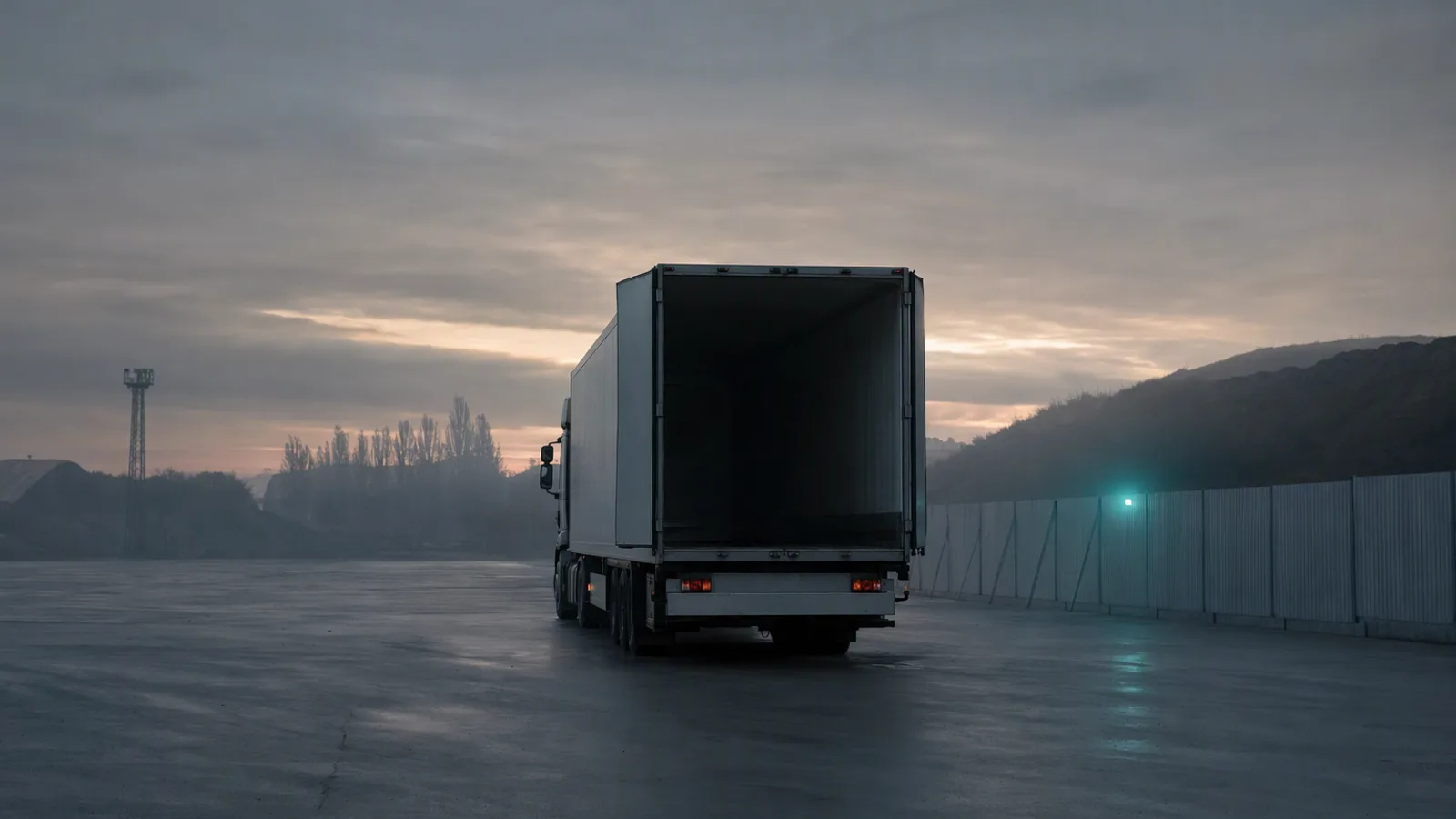
A customer has a full load from A to B on Thursday. The dispatcher knows the distance, the tolls and roughly what the lane paid last time, and gives a price. The price covers the kilometres with freight on board.
On Friday morning the truck unloads in B and the real question starts: what now. It waits for a return load, drives empty to wherever there is work, or comes back to base with nothing. Each of those costs money, and none of it was in the quote.
Why the empty leg gets left out
The customer asks about one direction. They want A to B and have no interest in where the truck goes afterwards. The conversation naturally prices what was asked for.
The return looks like a separate problem. Finding work out of B feels like a job for Friday, for whoever is on the phones on Friday. By then the outbound price is fixed.
Optimism is free on the phone. Something usually comes back from B. Usually is not a plan, and the weeks when nothing comes back are the ones that decide the month.
The cost dissolves into the fleet. Empty kilometres show up in fuel and tolls for all vehicles, not against the load that caused them. Nobody can see which quote created them.
Pricing the trip with its way back
From the truck’s point of view the job is not A to B. It is the whole time the truck is committed: the drive to loading, the loaded leg, the wait, and whatever it takes to reach the next paying load.
A simple example. The loaded leg is a thousand kilometres. The nearest sensible return load is two hundred and fifty kilometres further on and a day and a half later. The truck has not done a thousand kilometres in a day and a half — it has done twelve hundred and fifty in three days, and this customer paid for one leg of it.
Some destinations produce return work regularly and at a fair rate, so the outbound can be priced tight. Others are places trucks go to and leave empty, and an outbound there priced like the first kind loses money every time. The difference is not on the map. It is in your own history.
Plan the return before accepting the outbound
Know where trucks will be free, and when. Not where they are now — where each one unloads, and at what time, over the next few days. That is the list a dispatcher should be looking at while a new request is still on the line.
Know what comes back from there. Which return loads you have taken from that region before, at what rate, and how long the truck waited for them. If the honest answer is “not much”, the outbound has to carry more of the cost.
Decide while you are still giving a number. Before confirming, it should already be clear whether there is a realistic return, whether the truck carries on somewhere else, or whether it comes back empty and the price reflects that. After confirming, it is a salvage exercise.
Record what actually happened. Whether the return materialised, what it paid, how long the truck stood. Without that, the next quote to the same place starts from the same guess.
Forwarders without their own trucks
A forwarder who subcontracts does not drive the empty leg, but pays for it all the same. A carrier asked to go somewhere it rarely gets work out of builds the return into the rate, or declines. Knowing which destinations are expensive for that reason makes it easier to read the rates the market quotes and to judge which customer lanes are worth keeping.
What this changes
None of this needs a new optimisation engine. It needs the planned unloading points of the fleet and the history of return loads on screen at the moment the price is given, rather than on Friday afternoon.
A dispatcher who can see that a truck will be free in B on Friday, and that B has given little back for three months, will quote differently, suggest a different day, or decline. That is a better decision than any amount of searching for a return load after the price has already turned the job into a loss.
- empty running
- pricing
- lanes
- planning