A forwarding agent works all night. What may it write alone?
An agent that reads orders and documents overnight saves a forwarder hours. Which records it may write alone, which need a person, and five threats to plan for.
- AI agents
- dispatch
- security
Why payment waits on a photograph, where the margin on a load is really decided, and what AI can and cannot do for a transport company.
An agent that reads orders and documents overnight saves a forwarder hours. Which records it may write alone, which need a person, and five threats to plan for.
A plan that ignores remaining driving time produces loads that cannot legally arrive on time. Treating hours as a constraint gives the customer a real ETA instead of a hope.
Fuel is the largest variable cost in road freight and arrives as one invoice per card. Margin per load is then worked out from an average that hides the loads losing money.
Every status call interrupts a dispatcher, and then a driver at the wheel. Telling the customer before they ask, from data already on the load, costs less than answering.
Driver software that asks for logins, forms and taps gets abandoned. Drivers already send photos and short messages; the system should accept those and do the filing itself.
A load goes on a freight exchange, a carrier answers in minutes, and the order goes out before anyone checks who they are. The check belongs in the order.
The order allowed a charge for waiting beyond the free time. Nobody recorded when the truck arrived and left, so the charge was never raised — or was raised and disputed.
A load quoted one way is only half a job. The truck still has to come back or wait for the next load, and that cost belongs in the price given on the phone.
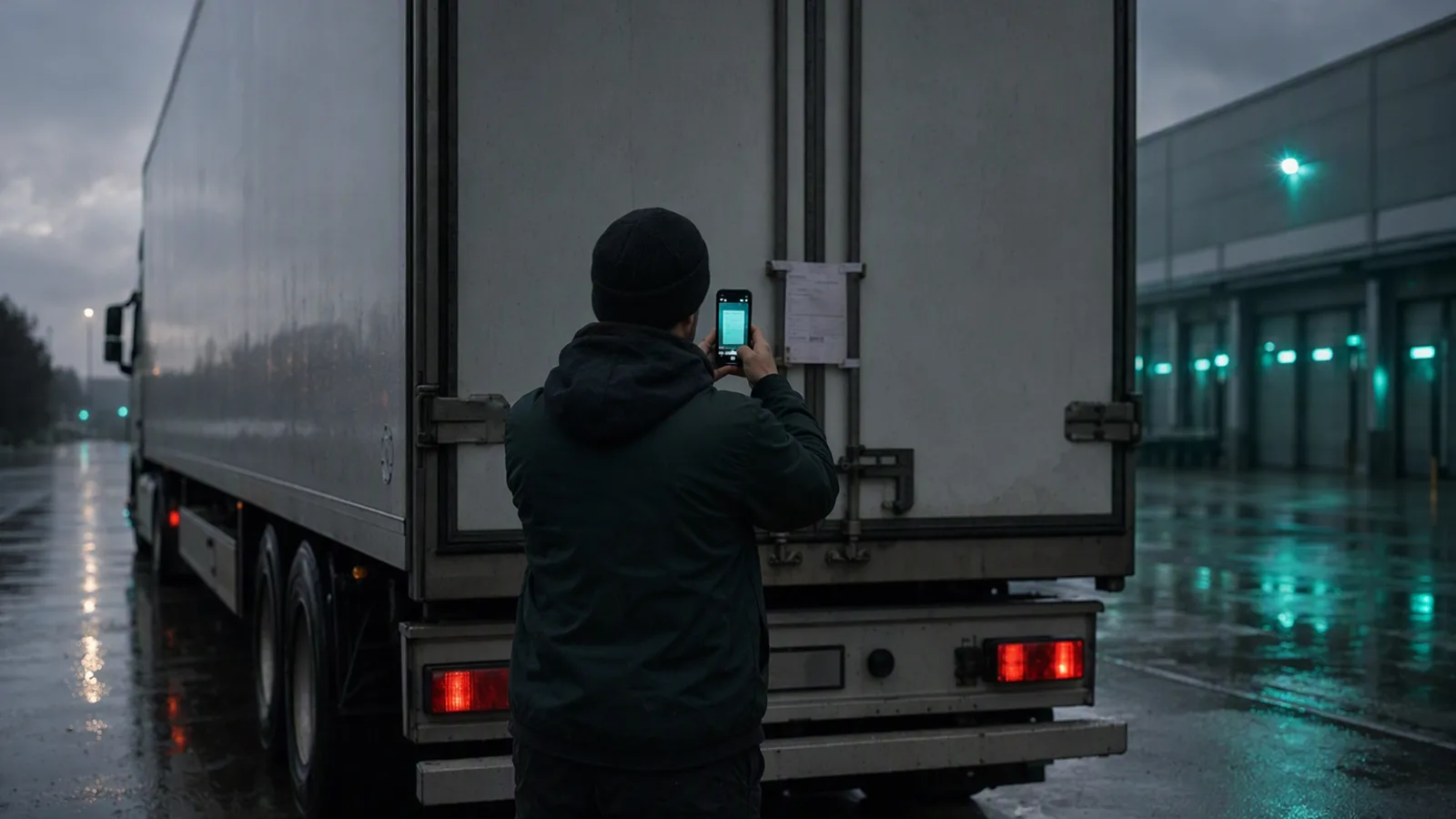
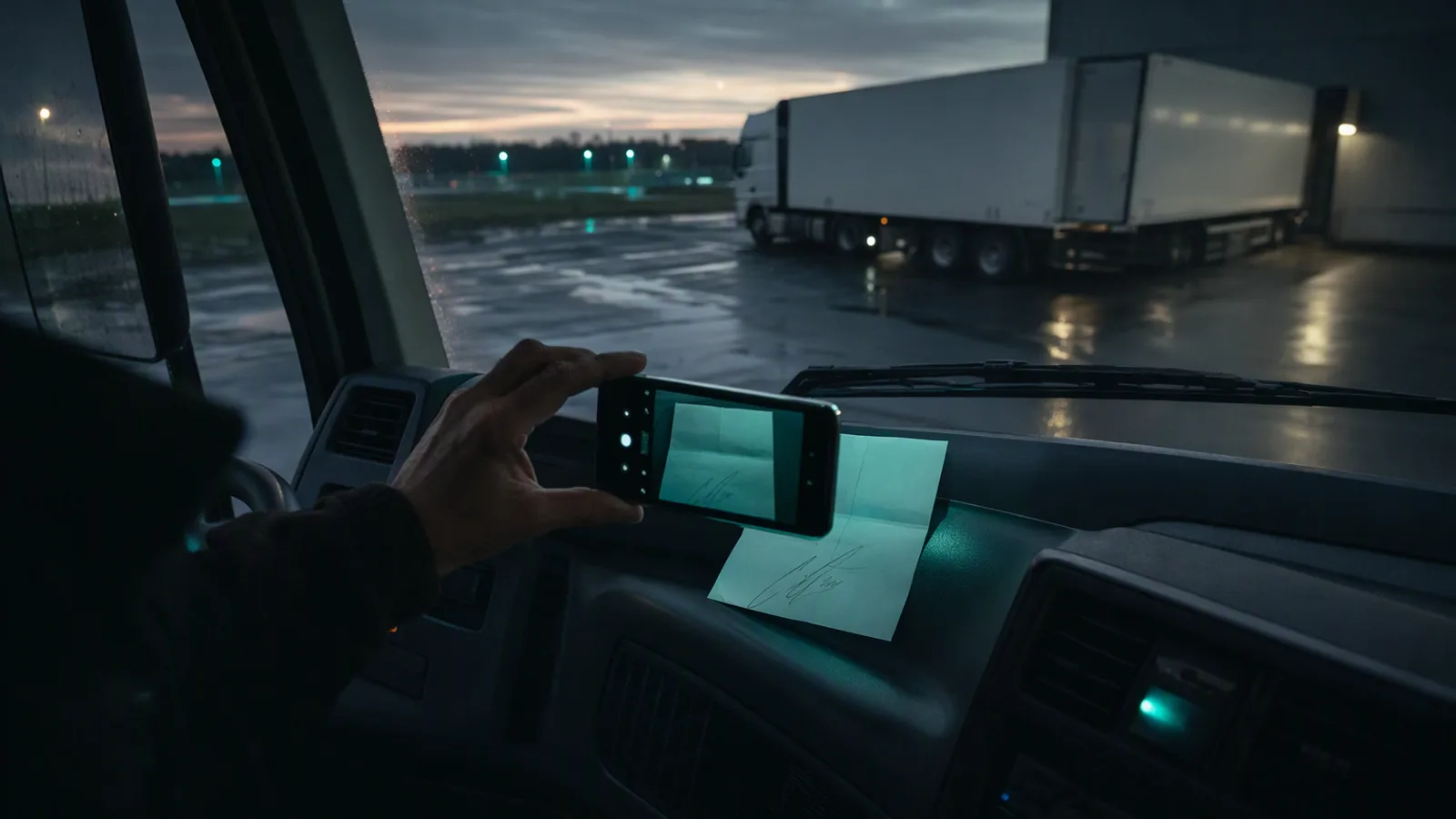
The load was delivered weeks ago. The invoice is waiting for a signed delivery note that is in a cab, a folder, or a message thread nobody has opened.
A price given on the phone from memory is the highest-leverage decision in a transport company, and it is made with the least information available all week.
Dispatch software assumes orders arrive in it. They arrive by email, portal, message and phone, and the gap between those two facts is where the day goes.
It reads documents well and remembers lanes perfectly. It cannot clear customs, unblock a border queue, or take responsibility for a rejected invoice.
Five years of what you charged, to whom, on which route and how it went is the most valuable data a forwarder owns — and the hardest thing to take with you.